
8841 East Bell Road, Suite 101, Scottsdale, AZ 85260 | Rate: ★★★★★

Types of Specialists Who Treat Sciatica Pain

Updated: 06/03/2026
Sciatica is pain caused by irritation or pressure on the sciatic nerve, which runs from the lower back down each leg. It often starts in the lower back and travels down one leg, sometimes causing numbness, tingling, or weakness.
This pain can make it difficult to walk, sit, or stand, and many people are unsure which doctor to see. In this article, Comprehensive Pain Management explains different types of specialists who treat sciatica pain in Phoenix, AZ.
Table of Contents
Toggle6 Types of Pain Specialists Who Treat Sciatica
The best pain management specialist in Phoenix understands how pain works in the body and how to control it. This type of doctor uses many tools to treat sciatica, including nerve blocks, epidural injections, and other non-surgical methods.
A doctor for sciatica pain may begin with simple care, then move to advanced treatments if the pain continues. Pain doctors often work with physical therapists, chiropractors, and surgeons. Below, we tell you about different types of specialists who treat sciatica pain.
Chiropractors
A chiropractor in Phoenix is one type of specialist who treats sciatica. They use hands‑on spinal adjustments to realign the spine and reduce pressure on the sciatic nerve. Treatment may also include stretching and posture guidance. Chiropractors do not use medications, injections, or surgery. If the sciatica does not improve after a few visits, they may recommend seeing another type of doctor for further care.
Physiatrists
A physiatrist is a medical doctor who treats sciatica and other nerve, muscle, and joint problems without surgery. They examine the patient and may use imaging tests to find the cause of the pain.
To treat sciatica, they create a care plan that may include medications, physical therapy, and spinal injections to reduce inflammation and relieve nerve pressure. Physiatrists do not perform surgery, but they can refer patients to a surgeon if surgery is needed.
Watch this video to learn about the top pain management clinic and experts in Phoenix, AZ.
Orthopedists
An orthopedist is a doctor who specializes in the bones, joints, and spine, and many treat sciatica when it’s caused by structural problems. They examine the spine and use imaging tests to look for issues like a herniated disc, bone spurs, or spinal narrowing.
To treat sciatica, an orthopedist may start with medications, physical therapy, or targeted injections to reduce pain. If the sciatica comes from a structural problem that does not improve with these treatments, the orthopedist is the specialist who can perform surgery to relieve pressure on the sciatic nerve.
Physical Therapists
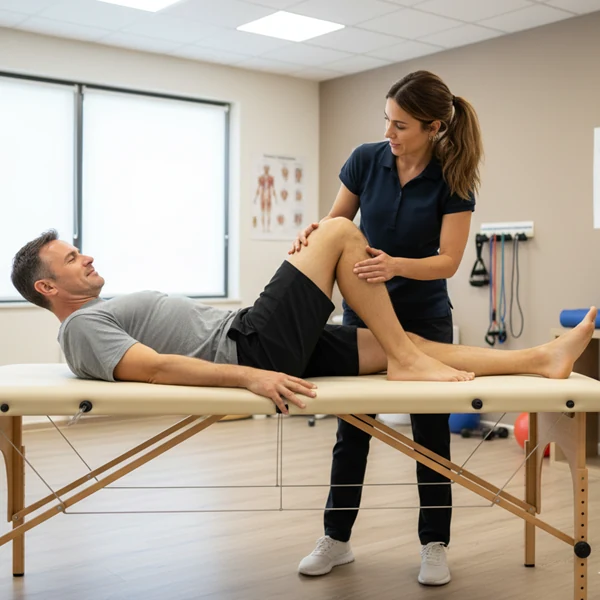
A physical therapist is one of the specialists who treat sciatica pain by using exercise and movement therapy. They guide patients through stretching, strengthening exercises, and posture training to reduce pressure on the sciatic nerve and support the spine.
Physical therapists do not use medication or surgery. Their goal is to reduce pain, improve movement, and help prevent sciatica from coming back.
Neurosurgeons
A neurosurgeon is a doctor who treats serious nerve and spine problems, including severe sciatica, with surgery. They treat sciatica by removing the pressure on the sciatic nerve. This may involve trimming part of a herniated disc, removing bone spurs, or creating more space around the nerve.
Neurosurgeons are usually involved when other treatments have not worked or when a patient has serious symptoms like weakness, numbness, or loss of control. They use imaging tests to see exactly where the nerve is being pinched and plan the surgery carefully. Most people do not need surgery for sciatica, but this specialist becomes important when the pain causes clear nerve damage.
Neurologist
A neurologist is one of the specialists who treat sciatica pain by focusing on problems in the nervous system, including the sciatic nerve. They check how well the nerves are working and may order tests like EMGs or MRIs to find the exact spot where the nerve is irritated or pinched.
Neurologists treat sciatica by prescribing nerve‑pain medications, reducing inflammation, and recommending therapies that help calm and protect the nerve. If the nerve problem is more serious, they guide the patient to the right specialist for further treatment.
How to Choose the Best Specialist for Your Sciatica Pain?
Choosing the right specialists who treat sciatica pain in Phoenix depends on your symptoms, how long the pain has lasted, and how severe it feels. Some people improve with simple treatments, while others may need more advanced care. The key is to match your condition with the right type of expert. Here we tell you which specialist is best for which condition:
Specialist | Best For |
Primary Care Doctor | Mild sciatica, first evaluation, basic pain care |
Physical Therapist | Muscle tightness, posture problems, movement issues |
Chiropractor | Joint stiffness, mild nerve irritation, alignment‑related pain |
Physiatrist (PM&R) | Chronic back pain, nerve/muscle conditions, non‑surgical treatment plans |
Pain Management Specialist | Moderate to severe sciatica, pain that doesn’t improve with basic care, injections |
Orthopedic Spine Specialist | Herniated discs, spinal stenosis, joint or bone‑related spine issues |
Neurosurgeon | Severe nerve compression, weakness, numbness, or symptoms not improving with other treatments |
Neurologist | Nerve testing (EMG), diagnosing nerve damage or unusual nerve symptoms |
The right specialist will take the time to understand what’s causing your pain and create a treatment plan that fits your needs. At AZ Comprehensive Pain Management, Dr. James Keller‑Shabrokh, D.O., brings over 30 years of experience helping patients find relief from sciatica and other spine‑related pain. If you’re ready to get the right care for your condition, call us at (602) 971‑8200 to schedule your appointment.
Which Specialist Should You See First?
If you’re not sure where to start, begin with one of the specialists who treat sciatica pain and can evaluate your symptoms to guide you to the right level of care. Most people should first see a primary care doctor or a physiatrist (PM&R doctor) because they diagnose sciatica, order tests if needed, and begin simple treatments.
If your pain is severe, keeps getting worse, or affects your strength, you may be sent directly to a pain management specialist or a spine specialist for more advanced care. Starting with a doctor who can assess the cause helps ensure you get the right treatment from the right specialist.
Conclusion
There are many types specialists who treat sciatica pain, but every patient needs a different approach. Some may start with physical therapy or chiropractic care, while others may need a pain specialist or surgeon. A clear diagnosis helps find the right treatment. Your first visit should always include a full check-up to find the real cause of pain.
At Comprehensive Pain Management, we take time to understand your condition and guide you to the best care. With over 30 years of experience, we’re proud to have earned the trust and positive feedback of our patients.
FAQs about Specialists Who Treat Sciatica Pain
When should I see a doctor for sciatica?
You should see a doctor if the pain lasts more than a few days, gets worse, or causes numbness, weakness, or bladder problems.
Can an orthopedic doctor treat sciatica?
Yes, orthopedic doctors often treat sciatica, especially when it comes from joint or spine issues.
What kind of doctor treats sciatic nerve pain?
Pain doctors, physiatrists, orthopedic surgeons, and neurosurgeons all treat sciatic nerve pain depending on the cause and severity.
Do you see a neurologist for sciatica?
Sometimes a neurologist checks the nerves, but they usually do not provide the main treatment for sciatica.
Can sciatica go away on its own?
Yes, many cases improve with rest, stretching, and basic care. But persistent or worsening pain should be checked by a specialist.

Dr. James KellerShabrokh
Dr. James KellerShabrokh is a board-certified specialist in Physical Medicine and Rehabilitation, focusing on spine, joint, muscle, and nerve injuries. He combines rehabilitative care, minimally invasive procedures, and preventive strategies to restore function, improve mobility, and provide long-term pain relief.