8841 East Bell Road, Suite 101, Scottsdale, AZ 85260 | Rate: ★★★★★
Trigger Point Injections Treatment in Phoenix, AZ
Muscle knots can cause pain in your neck, shoulders, and back. You may also feel tightness, stiffness, soreness, or headaches. At Comprehensive Pain Management, we offer trigger point injections treatment in Phoenix to relieve muscle pain, improve movement, and help you return to your daily activities.
30+ years
Experienced pain management care
Diagnosis First
Find the source of your muscle pain
Non-Surgical Care
Injections, rehabilitation, and pain treatments
Personalized Treatment
Care based on your symptoms and needs
Signs You May Need Trigger Point Injections
Signs of trigger points include muscle knots, tightness, soreness, and pain when you move. You may also have headaches or pain that spreads to nearby areas. A doctor can check your symptoms and determine if trigger point injections may help.
Muscle knots and tenderness
Tight spots that hurt when touched
A painful knot in your neck, shoulder, or back may indicate a trigger point.
Neck and back pain
Muscle pain that does not improve
Tight muscles can cause ongoing pain in your neck, upper back, or lower back.
Headaches and shoulder pain
Pain that spreads to nearby areas
Trigger points in the neck and shoulders can contribute to headaches or pain that travels into surrounding muscles.
Limited movement
Trouble working, exercising, or sleeping
Ongoing muscle pain can make normal activities uncomfortable. A personal treatment plan helps reduce discomfort and improve movement.

How We Evaluate and Treat Trigger Points
Before we recommend trigger point injections, we ask about your symptoms and medical history. We also check your muscles for painful knots, tightness, and trouble moving. This helps us find the source of your pain and choose the right treatment.
01
Initial Consultation
Discuss your symptoms, pain location, medical history, previous treatments, and how muscle pain affects your daily activities.
02
Comprehensive Evaluation
Examine your muscles, identify tender areas, assess your movement, and check how pain affects surrounding parts of your body.
03
Accurate Diagnosis
Determine if your symptoms come from trigger points, muscle strain, nerve irritation, joint problems, or another condition.
04
Personalized Treatment Plan
Recommend trigger point injections, rehabilitation, medication management, stretches, or additional testing based on your evaluation.
05
Ongoing Care & Monitoring
Check your progress, adjust your treatment when needed, and help you maintain better movement and pain control.
Treatment Options for Trigger Point Pain
Muscle pain affects each patient differently. Your treatment depends on the location of your trigger points, the severity of your symptoms, and your recovery goals. Our team offers non-surgical treatments that help reduce discomfort, improve movement, and support recovery.
Injections
Trigger Point Injections
Place medication directly into a painful muscle knot to help reduce discomfort and release muscle tension.
Rehabilitation
Physical Rehabilitation
Improve muscle strength, flexibility, posture, and movement while reducing strain on painful areas.
Muscle Pain
Myofascial Pain Treatment
Address painful muscle knots and tight tissue that can cause discomfort in nearby parts of the body.
Nerve Pain
Evaluate numbness, weakness, tingling, or other symptoms that may point to a nerve problem.
Spine
Spine and Joint Injections
Treat certain spine or joint problems that may contribute to ongoing muscle pain and stiffness.
Coordination
Personalized Pain Management
Combine appropriate treatments to create a care plan based on your symptoms and individual needs.
Common Conditions We Treat With Trigger Point Injections
Trigger points can develop in different muscles and cause pain throughout the body. A careful evaluation helps identify the affected areas and determine whether injections or other treatments may help.
| Condition / Symptom | What You Should Know | Related Treatments |
|---|---|---|
| Neck Pain | Stiffness, soreness, shoulder pain | Injections, rehabilitation |
| Back Pain | Muscle knots, limited movement | Injections, rehabilitation |
| Shoulder Pain | Soreness, trouble moving | Injections, pain management |
| Tension Headaches | Neck tension, headaches | Injections, muscle treatment |
Meet Our Pain Management Team
Our experienced providers work together to diagnose painful conditions, explain available options, and develop personalized care plans using advanced, minimally invasive approaches.
Physician
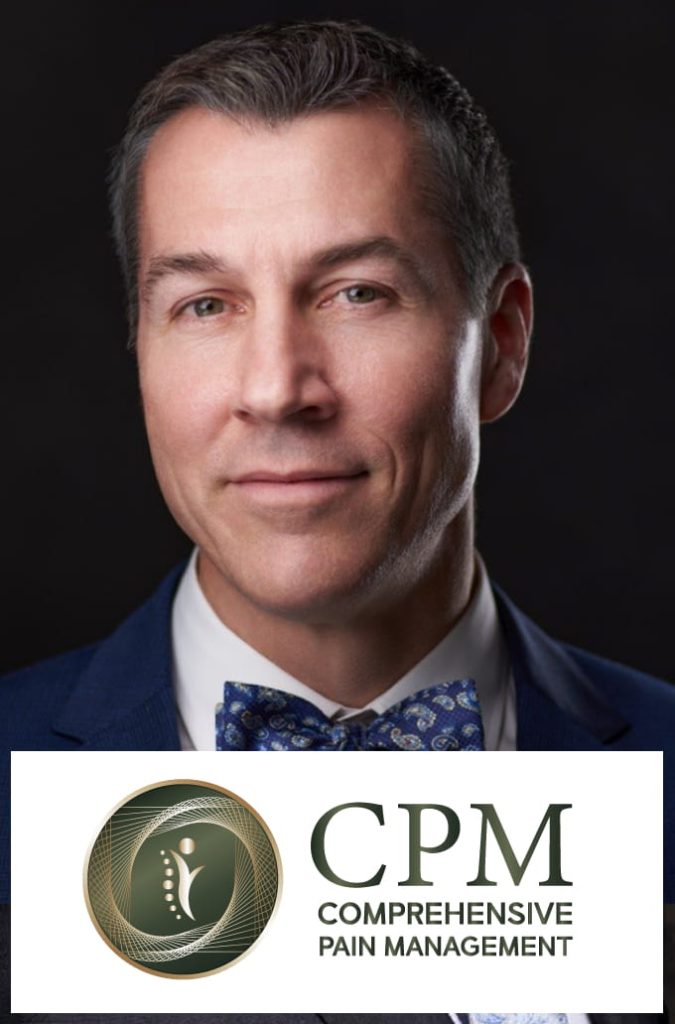
James KellerShabrokh, D.O.
Doctor of Osteopathic Medicine. Specializes in diagnosing pain conditions and developing personalized treatment plans.
Provider
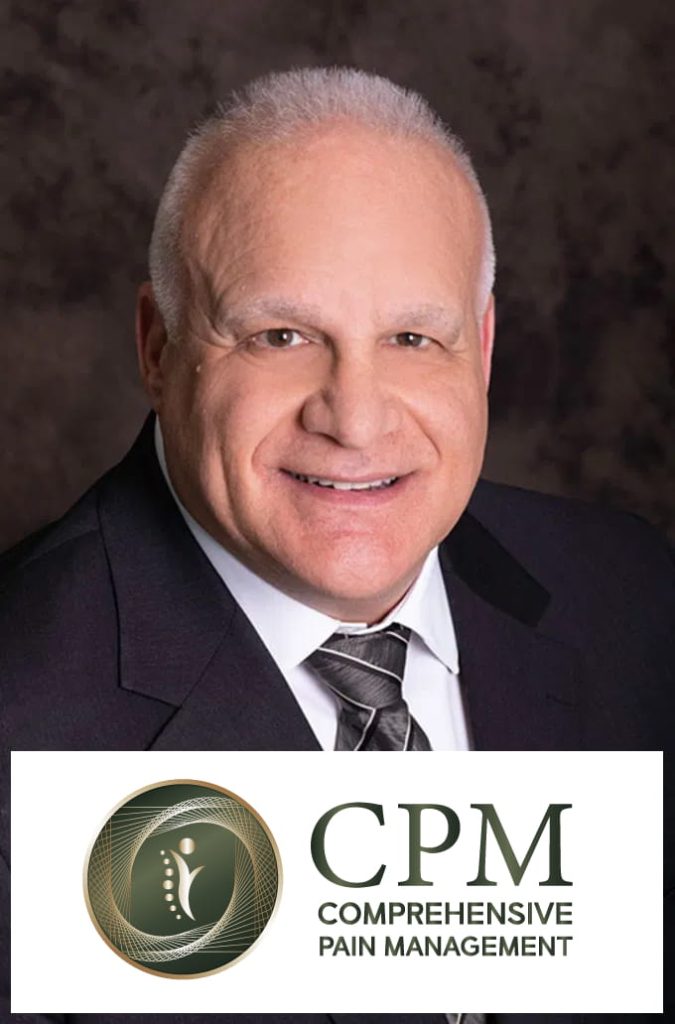
Steven Giacoppo, FNP
Family Nurse Practitioner. Provides patient evaluations, follow-up visits, and support throughout the treatment process.
Provider
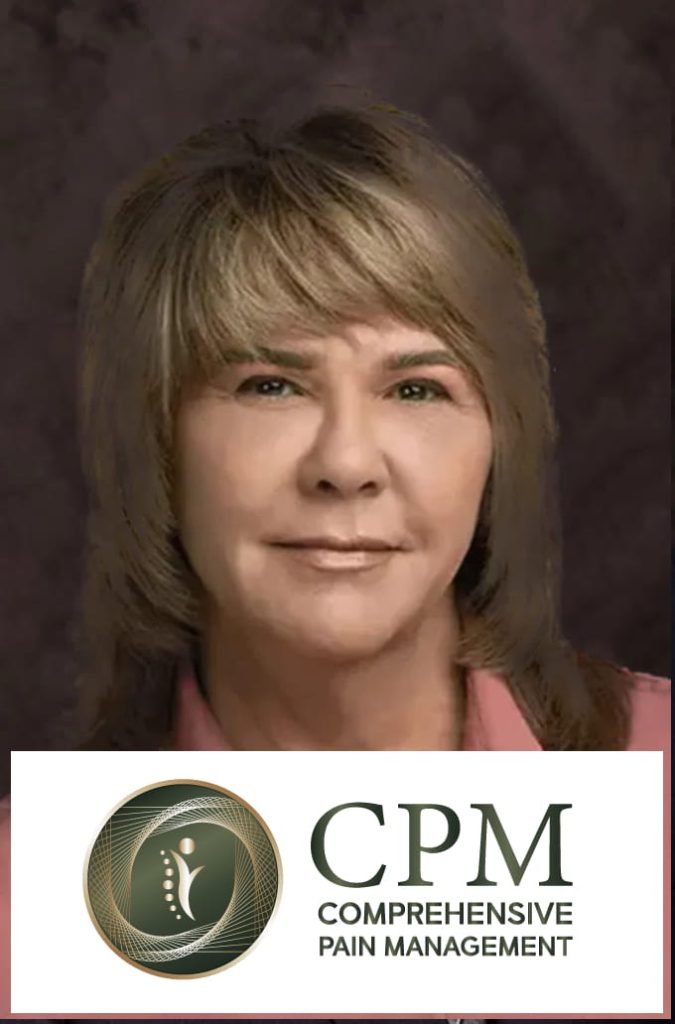
Marcelle Hanish, FNP-BC, LAc
Family Nurse Practitioner. Evaluates painful conditions, manages care, and supports patients through personalized treatment.
Provider

Emily Brooker, PA-C, MMS
Physician Assistant. Helps assess conditions, monitor progress, and provide continued care during recovery.
Insurance, Treatment Plans & Medical Documentation
We help patients understand their trigger point treatment options and explain what to expect during care. Our team provides clear medical records and creates treatment plans based on each patient’s symptoms, diagnosis, and individual needs.
Health Insurance
Coverage depends on your insurance plan and benefits.
Treatment Planning
Our team helps explain available treatment options based on your diagnosis.
Medical Records
We provide clear documentation related to your evaluation and treatment.
Follow-Up Care
We monitor your progress and adjust your plan when needed.
Why CPM
Why Choose Comprehensive Pain Management
Our team works to identify the cause of your muscle pain and recommend treatment that fits your needs. We combine careful evaluations, clinical experience, and non-surgical options to help patients reduce discomfort and move more comfortably.
Experienced Providers
More than 30 years of experience in pain management care.
Non-Surgical Treatment
Personalized care options designed to help avoid surgery when possible.
Precise Diagnosis
Detailed evaluations to identify the cause of your pain and guide treatment.
Patient-Focused Care
Trusted treatment focused on helping patients achieve better outcome.

Frequently Asked Questions
Find answers to common questions about trigger point injections, muscle pain, treatment appointments, and recovery.
What are trigger point injections?
Trigger point injections place medication into a painful muscle knot to help reduce tension, tenderness, and discomfort.
What conditions can trigger point injections treat?
They may help treat neck pain, back pain, shoulder pain, muscle knots, and certain tension headaches.
How do I know if I have a trigger point?
A trigger point often feels like a tight, tender spot in a muscle that hurts when pressed.
What happens during a trigger point injection?
Your provider locates the painful muscle and places a small needle into the trigger point to deliver medication.
Do trigger point injections hurt?
You may feel a brief pinch or mild pressure during the injection. Some patients also notice temporary soreness afterward.
How long does a trigger point injection appointment take?
The injection itself usually takes only a few minutes. Your total appointment time depends on your evaluation and treatment plan.
When will I feel relief after treatment?
Some patients notice improvement soon after treatment. Results vary based on the affected muscle and the cause of the pain.
Will I need more than one injection?
Some patients need additional treatments. Your provider will recommend a schedule based on your symptoms and response.
Can I return to normal activities after treatment?
Many patients return to normal activities shortly afterward. Your provider will explain any instructions based on your condition.
Do you offer other treatments for muscle pain?
Yes. Treatment may also include rehabilitation, stretches, medication management, and other non-surgical pain management options.
Get Relief From Muscle Pain Today
Schedule an appointment with our team to evaluate your muscle pain, discuss trigger point injections, and take the next step toward less discomfort, better movement, and a more comfortable daily routine.