
8841 East Bell Road, Suite 101, Scottsdale, AZ 85260 | Rate: ★★★★★
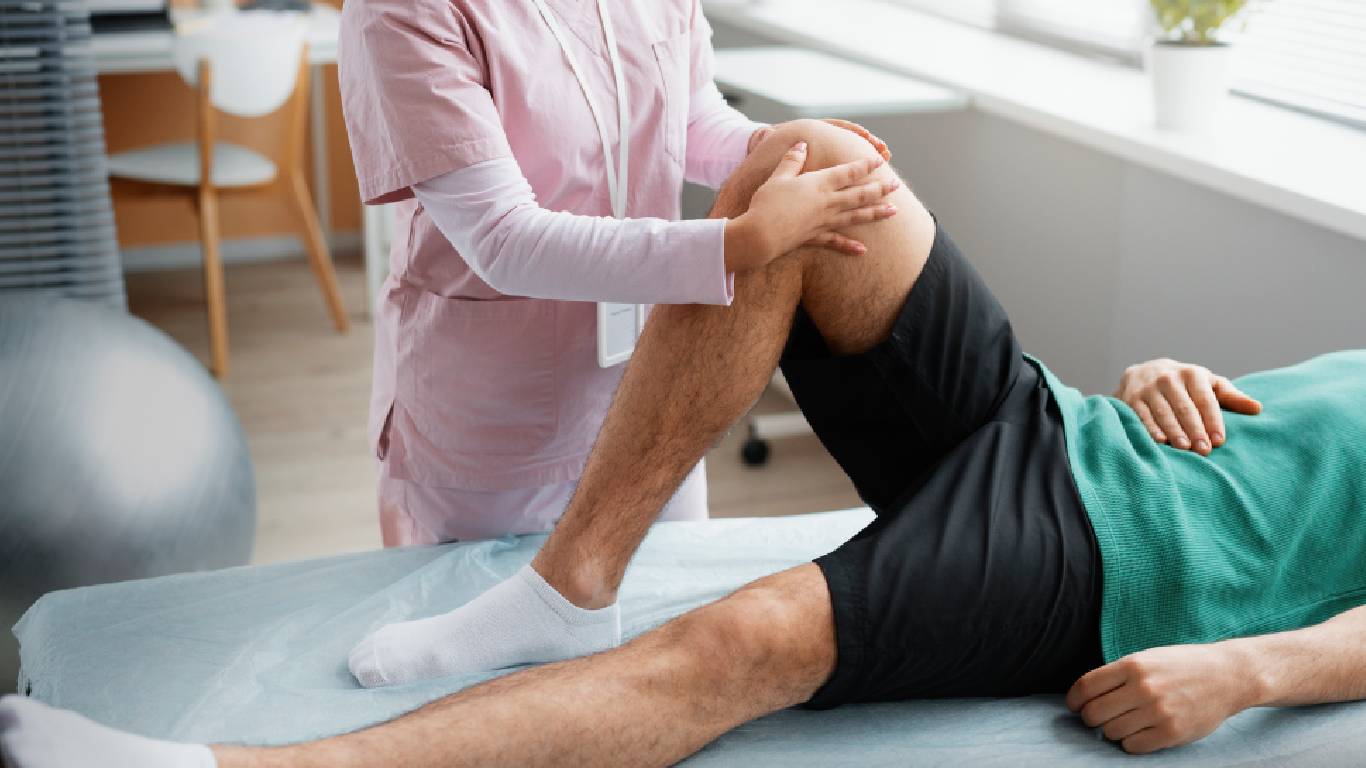
Best Leg Pain Clinic in Phoenix, AZ

Leg pain may start small but can get worse. It can make walking, sleeping, and daily tasks hard. Many people look for help but don’t get clear answers. If the pain stays too long, the right clinic can help. It finds the cause and gives safe treatment. This article helps you find the best leg pain clinic in Phoenix, AZ.
The Importance of Choosing the Best Leg Pain Clinic
Selecting the best leg pain clinic in Phoenix, AZ, is important since not every clinic provides accurate care. A good clinic finds the cause, gives the right tests, and makes a plan that helps. Benefits of choosing the best leg pain clinic include:
- Better movement and less daily discomfort
- Faster relief with clear, step-by-step care
- Customized treatments for each type of leg pain
- Lower risk of side effects or wrong procedures
- Long-term support for lasting results
What to Expect from a Top Leg Pain Clinic
A top leg pain clinic finds and treats the main cause of the pain, not just the signs. It offers:
- Full review of leg pain history, symptoms, and daily struggles
- Tests like nerve studies, leg exams, and imaging to find the exact cause
- Clear and personalized treatment plans for leg pain
- Focus on long-term leg pain relief, not quick fixes
- Treatment options like leg injections, nerve procedures, and rehab
- Flexible care plans that change as leg pain improves
- Clear updates, ongoing support, and patient education throughout care
How to Find the Right Leg Pain Clinic in Phoenix
These simple steps can help you select the best clinic for leg pain treatment in Phoenix with confidence:
- Read Google reviews to learn what real patients say about care and results.
- Check the clinic’s website for doctor experience and leg pain specialties.
- Call the clinic and ask how they diagnose and treat leg pain.
- Visit the clinic to see if the space feels clean, calm, and professional.
- Ask about available treatments to make sure they offer more than just one option.
- Look for clear communication in how they explain tests, steps, and results.
Why CPM Is a Trusted Clinic for Leg Pain Relief
At CPM, we understand that leg pain can make everyday tasks difficult. With over 30 years of experience, we offer:
- Modern tools to give better care
- Clear tests to find the real problem
- Care plans made for each patient
- Treatments that give lasting relief
- Safe steps that are easy to follow
- Support and guidance at every visit
Final Thoughts
Choosing the right clinic makes a big difference for leg pain. Good tests, the right care, and a clear plan help you feel better. You improve more when the treatment fixes the real problem. It’s easier when the clinic has a strong team and gives full support. You can feel real relief with the right care.
FAQs
What should I expect during my first visit to a leg pain clinic?
A patient receives a full review of their symptoms, a physical exam, and any tests that help reveal the cause of pain.
Do leg pain clinics offer customized treatment plans?
A strong clinic creates a plan that matches the patient’s condition, history, and goals. It adjusts the plan over time based on the patient’s progress.
What advanced treatments are available at a leg pain clinic?
A clinic may offer injections, nerve-focused procedures, regenerative options, or rehabilitation support. The provider selects the best option based on the patient’s exact condition.
Can a leg pain clinic help with injuries from accidents or trauma?
A good clinic treats pain that comes from accidents, falls, or other injuries. It studies the damaged area and creates a plan to improve movement and reduce pain.
Do leg pain clinics take insurance or offer self-pay options?
Most clinics accept insurance and offer self-pay choices. A patient gains clear information about coverage and costs during the visit.
