
8841 East Bell Road, Suite 101, Scottsdale, AZ 85260 | Rate: ★★★★★
What Is Shoulder Impingement Syndrome?

Shoulder pain often begins with a small discomfort. You may feel it when you lift your arm, reach for a shelf, or carry something heavy. Many people ignore the early pain and continue their normal activities, but the problem often becomes worse with time. One common cause is shoulder impingement syndrome, a condition in which tissues inside the shoulder get pressed between bones during movement.
Here we tell you all about this condition and how specialists at Comprehensive Pain Management help patients manage and treat shoulder impingement syndrome.
An Overview of Shoulder Impingement Syndrome
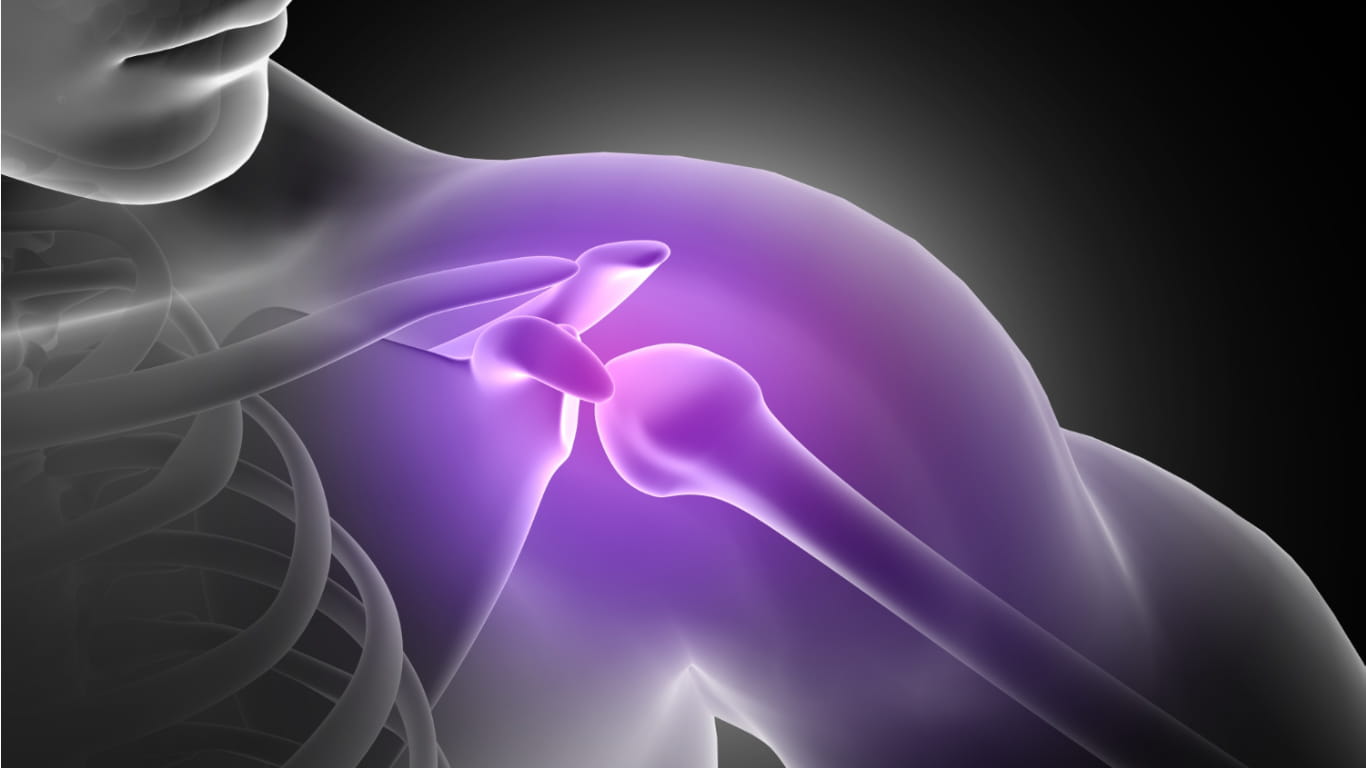
The shoulder joint lets the arm move in many directions. Muscles, tendons, and bones work together to make this movement possible. Shoulder impingement syndrome happens when the rotator cuff tendons pass through a small space under the shoulder blade.
Swelling or bone changes can make this space smaller, so the tendons press against the bone when the arm moves. This pressure causes pain and limits shoulder movement. Early treatment can help prevent further problems.
Types of Shoulder Impingement
The best pain management specialists in Phoenix classify shoulder impingement based on what causes the pressure inside the shoulder joint. The table below explains the main types of shoulder impingement in simple terms:
| Type | Description |
| Rotator Cuff Tendon Irritation | Repeated shoulder use strains the rotator cuff tendons. This strain causes swelling and increases pressure in the shoulder. |
| Subacromial Bursa Inflammation | The bursa, a small fluid-filled sac in the shoulder, becomes swollen and painful and creates pressure in the joint. |
| Structural Shoulder Changes | Bone shape changes, such as bone spurs or a curved acromion, reduce the space in the shoulder and press on the tendons. |
Symptoms of Shoulder Impingement Syndrome
The symptoms of shoulder impingement syndrome usually develop slowly. Many people first feel pain when they lift their arm or reach overhead. As the condition gets worse, the pain affects normal daily activities.
Common signs include:
- Pain in the front or side of the shoulder
- Pain that spreads down the upper arm
- Shoulder weakness
- Limited arm movement
- Pain when lifting the arm
- Pain when reaching overhead
- Pain when sleeping on the affected shoulder
If you notice these symptoms, it is important to seek medical care early. At Comprehensive Pain Management, Dr. James KellerShabrokh, a board-certified specialist in Physical Medicine and Rehabilitation, can evaluate your shoulder pain and recommend the right treatment plan. Call us at (602) 971-8200 to schedule an appointment.
Shoulder Impingement Causes
Some factors can cause shoulder impingement syndrome. Most causes place extra pressure on the tendons inside the shoulder. Common causes include:
- Repeated overhead arm movement
- Sports that require frequent arm lifting
- Work that puts strain on the shoulder
- Weak shoulder muscles
- Poor posture
- Bone spurs in the shoulder
- Previous shoulder injuries
If shoulder pain continues or gets worse, it is important to seek medical care. At Comprehensive Pain Management, our specialists have over 30 years of experience in diagnosing and treating shoulder pain and can help determine the cause of your symptoms and recommend the right treatment.
How Is Shoulder Impingement Diagnosed?
Doctors diagnose shoulder impingement syndrome through a medical evaluation. Here are the main steps used to identify the condition:
- The doctor asks about your symptoms and daily activities to understand when the pain occurs.
- The doctor checks shoulder movement, strength, and pain during certain arm positions.
- Imaging tests like X-rays or MRI scans help doctors see bone changes and problems in the tendons.
At Comprehensive Pain Management, our team carefully evaluates shoulder pain to provide an accurate diagnosis and the right treatment plan.
Treatment for Shoulder Impingement
Shoulder impingement treatment focuses on reducing pain and restoring shoulder movement. Many patients recover without surgery when treatment begins early. Below are common treatment options used to manage the condition.
Injection Therapy
Injection therapy delivers medication directly to the inflamed area of the shoulder to reduce pain and swelling. Subacromial injection in Phoenix is often used to relieve symptoms and improve shoulder movement.
Activity Adjustment
Activity adjustment helps the shoulder recover. Patients may need to avoid movements that place strain on the joint, especially overhead lifting.
Physical Therapy
Physical therapy strengthens the muscles that support the shoulder joint. Strong muscles help protect the tendons and improve shoulder stability.
Anti-Inflammatory Medication
Doctors may recommend medication to reduce swelling and relieve pain. This treatment helps patients move their shoulder with less discomfort.
Final Thoughts
Shoulder impingement syndrome can cause ongoing shoulder pain and limited movement. Many patients delay treatment and allow the condition to become worse. Early medical care can prevent long-term shoulder problems. Accurate diagnosis allows doctors to provide the right treatment plan.
Our specialists at Comprehensive Pain Management provide advanced care for patients with shoulder pain and related conditions. Call us at (602) 971-8200 to schedule a consultation or visit us to learn more about treatment options.
FAQs
How long does a shoulder impingement take to recover?
Recovery time depends on how serious the condition is. Many patients improve within six to twelve weeks after proper treatment and therapy.
What not to do with shoulder impingement?
You should avoid heavy lifting, repeated overhead movement, and activities that increase shoulder pain.
What kind of doctor should I see for shoulder impingement?
You should see a pain management specialist or an orthopedic doctor who treats shoulder conditions.
How can I prevent shoulder impingement?
You can reduce risk by strengthening shoulder muscles, maintaining good posture, and treating shoulder pain early.
